Conservation Gives Us Hope
“Little drops of water,
Little grains of sand,
Make the mighty ocean
And the pleasant land.”
—Julia A. F. Carney
Picture determined volunteers removing bags of litter from a creek before it travels farther downstream. Hear the joyful shouts of students planting a pollinator garden. Imagine scientists and students testing water quality, neighbors planting native trees, and volunteers restoring wetlands by removing invasive plants. This brings back happy memories of my middle grade students at the Birmingham Public School.
Or these students creating rain gardens that help slow and filter stormwater. Or planting native trees and wildflowers to provide wildlife habitat and helps hold the soil in place.
All the activities contribute to a shared goal: protecting the natural world around us. Now, imagine how all of these local actions can benefit places far beyond the neighborhoods where they begin—Little drops of water. Little grains of sand.
Here in Alabama, we can see this spirit at work through many organizations that bring people together around a place, a species, or a shared concern. For example Alabama Audubon’s annual Black Belt Birding Festival introduces visitors to the region’s birds, landscapes, and heritage while supporting bird-based ecotourism. The festival is part of its broader Black Belt Birding Initiative, connecting appreciation for nature with opportunities for local communities (alaudubon.squarespace.com, alaudubon.org)
Other organizations contribute in different but complementary ways. Freshwater Land Trust conserves land and water in Central Alabama. Citizens’ Climate Lobby encourages people to work together to implement climate policy. The Nature Conservancy works locally and internationally to protect the land and water.
In addition, all these organizations create a powerful network of shared knowledge, resources, and experience. Nature itself reminds us why these connections matter: rivers cross state lines, migrating birds cross continents, and air moves freely across borders—little grains of sand create a pleasant land.
Education is an essential part of this work. People of every age need opportunities to discover the natural world around them, understand the threats it faces, and learn then how to help. For example, Jefferson County Greenways offers outdoor field trips and opportunities to explore places including Red Mountain Park, Ruffner Mountain, and Turkey Creek Nature Preserve. The Environmental Education Association of Alabama connects educators who help people to understand and care for the natural world.
A child’s first close look at a bird, a family’s walk through a wetland, or a teacher’s outdoor lesson can begin a lifelong interest. Citizen science offers another way to participate: observing wildlife, recording changes, and contributing information that can support research. Understanding grows through experience, and concern can become purposeful action.
That strong connection between understanding and action is what inspires me to write eco-fiction and climate fiction for young readers. Through mystery, adventure, and scientific discovery, I invite readers to imagine themselves working with friends, scientists, and their communities to protect the world around them. My stories are my own small contribution.
Our planet—earth, air, water and fire are all connected. That’s what I had in mind when I created The Four Elements Climate Trilogy: these four elements depend on one another to sustain life and balance nature. And the four elements—earth, air, water and fire are all connected to one another to sustain life and keep nature that we depend upon in balance. That’s exactly what I had in mind when I created The Four Elements Climate Trilogy:

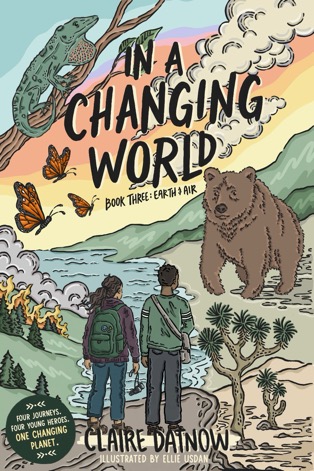
Beginning with Red Flag Warning, Book 1: Fire, the trilogy brings environmental challenges into young people’s lives through characters who face danger, ask questions, learn about science and despite facing challenges are inspired to take action. I want my young readers to recognize that they, too, have something to contribute. To explore book two, The Gray Whale’s Lament, and book 3, in a changing world visit clairedatnow.com
Yet this larger picture of collective effort can be difficult to see in everyday news coverage. Fires, floods, and environmental destruction make dramatic headlines. The patient work of restoring habitat, protecting a watershed, or educating a generation unfolds over years. Its stories are scattered, making it harder to recognize how much they add up to.
We need to understand the dangers of inaction. We also need to hear about the people responding to them—their progress, their persistence, and the lessons they can share. All of their work give us reasons to stay involved.
Community events can help make that work visible. The Cahaba River Coalition’s Frydown brings people together to celebrate the river and support conservation. Visitors leave such gatherings with more than happy memories: perhaps a new interest, a volunteer opportunity, or the decision to join an environmental organization. Each of us can choose a place to begin. Volunteer with a local group. Plant native vegetation. Support environmental education. Help protect a nearby stream. Invite someone else to join you
Hope grows when we recognize the work already underway and find our own place within it. Like little drops of water and little grains of sand, our contributions become part of something larger—a shared effort to leave a healthier, more vibrant Earth for generations to come.
A child’s first close look at a bird, a family’s walk through a wetland, or a teacher’s outdoor lesson can begin a lifelong interest. Citizen science offers another way to participate: observing wildlife, recording changes, and contributing information that can support research. Understanding grows through experience, and concern can become purposeful action.
That connection between understanding and action is why I write climate fiction for young readers. My stories are my own small contribution—another drop of water, another grain of sand. Through mystery, adventure, and scientific discovery, I invite readers to imagine themselves working with friends, scientists, and their communities to protect the world around them.
The traditional elements—earth, air, water, and fire—give The Four Elements Climate Trilogy its framework for exploring our interconnected world. Beginning with Red Flag Warning, Book 1: Fire, the trilogy brings environmental challenges into young people’s lives through characters who face danger, ask questions, and discover reasons to act. I want readers to recognize that they, too, have something to contribute.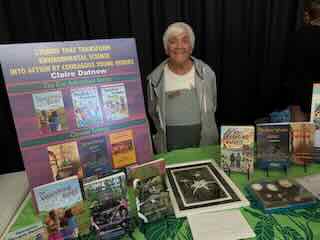
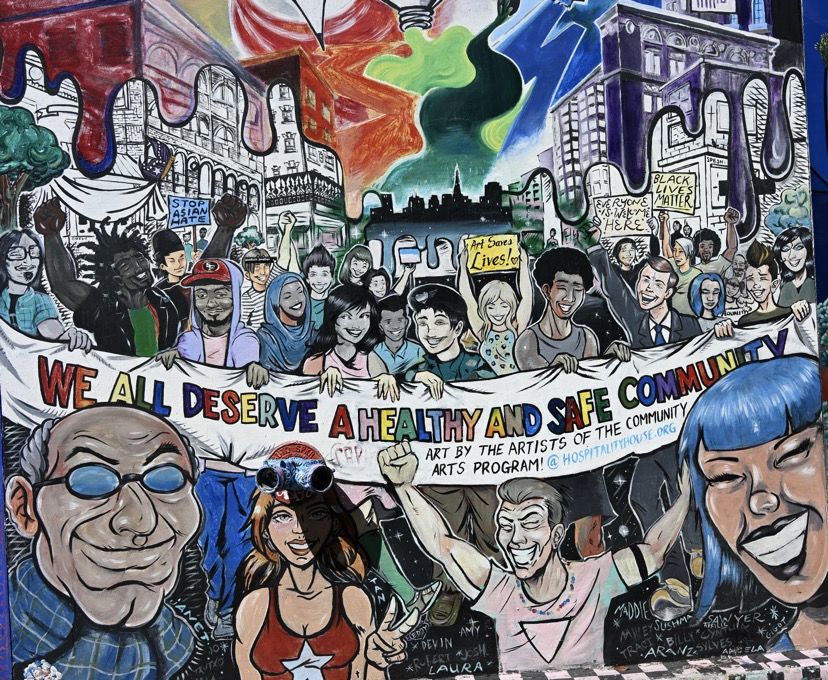
Exhibit at Cahaba River Coalition Frydown
Yet this larger picture of collective effort can be difficult to see in everyday news coverage. Fires, floods, and environmental destruction make dramatic headlines. The patient work of restoring habitat, protecting a watershed, or educating a generation unfolds over years. Its stories are scattered, making it harder to recognize how much they add up to.
We need to understand the dangers. We also need to hear about the people responding to them—their progress, their persistence, and the lessons they can share. These stories give us reasons to stay involved. Community events can help make that work visible. The Cahaba River Coalition’s Frydown brings people together to celebrate the river and support conservation. I hope visitors leave such gatherings with more than happy memories: perhaps a new interest, a volunteer opportunity, or the decision to join an environmental organization. (frydown.com)
Each of us can choose a place to begin. Volunteer with a local group. Plant native vegetation. Support environmental education. Help protect a nearby stream. Invite someone else to join you.
Hope grows and shines when we recognize the work already underway and find our own place within it. Like little drops of water and little grains of sand, our contributions become part of something larger—a shared effort to leave a healthier, more vibrant Earth for generations to come.
Organizations listed:
Alabama Audubon Society
The Cahaba River Coalition
Jefferson County Greenways
Nature Conservancy
Citizen Science Climate Lobby
Ruffner Mountain Nature Center
Freshwater Land Trust
Environmental Education Association of Alabama
Back to Home Page
Climate Anxiety into Eco Mysteries and Empowerment
Classroom and outdoor education teachers are indeed seeking ways to approach discussions about the consequences of climate change without sugarcoating the truth or provoking climate anxiety. In book 3 of my climate trilogy, In A Changing World, the young teen protagonist and their teachers model ways to approach this difficult question.
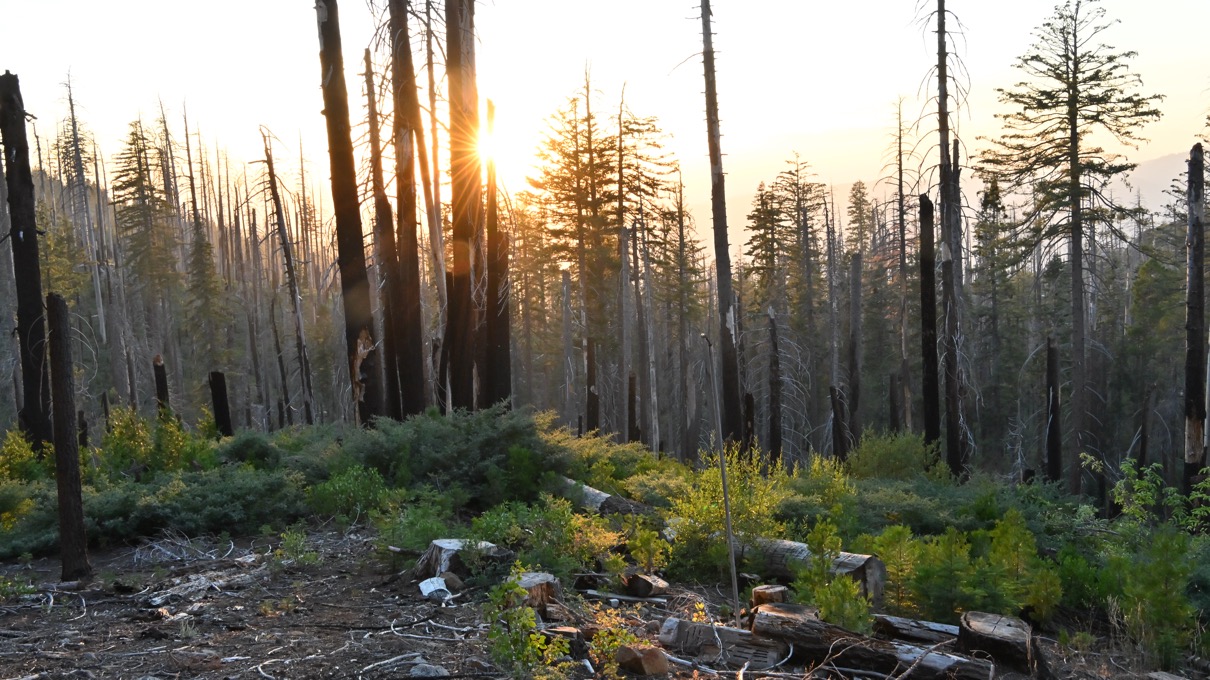
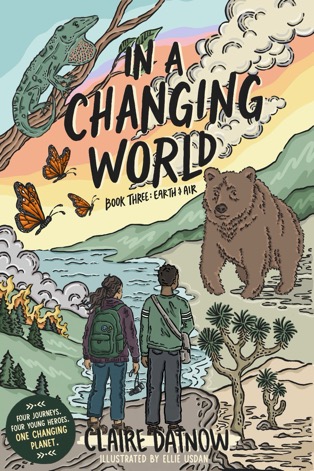
Written for readers ages 10–14, In a Changing World, brings together four interconnected ecological mysteries involving monarch butterflies migration, hurricane adaptation in anoles, the future of Joshua trees, and changing feeding patterns among Kodiak brown bears.
The teens follow clues to mysteries they observe in nature, investigate the science behind what is happening in their communities, and discover ways they can respond. (I have included discussion and educator resources designed to help teachers move from reading the stories to investigating the real-world, real science and encouraging student empowerment. Move to End?)
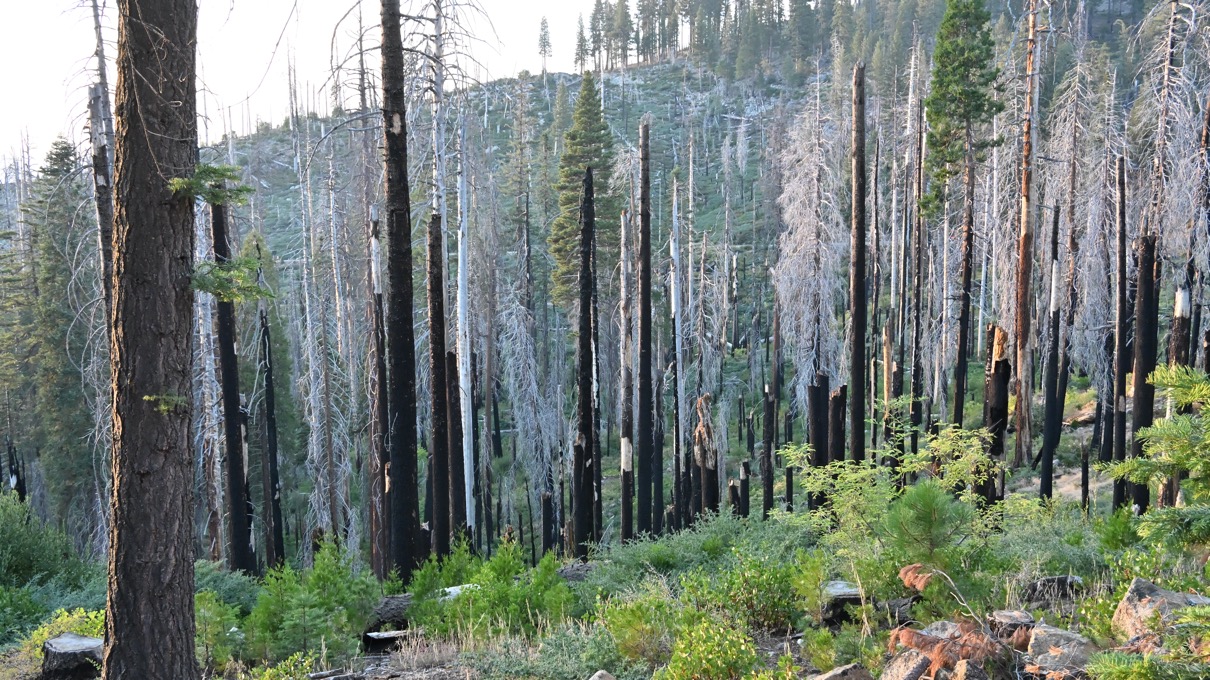
My approach is to turn the environmental problem into a mystery. Instead of beginning with “the climate is changing and here are the dire consequences,”
I ask young readers: Why are the monarchs disappearing? How can tiny lizards survive increasingly powerful hurricanes? Can Joshua trees adapt to a hotter, drier future? Why would Kodiak bears abandon salmon for berries? The young characters become Eco Detectives. They observe, question, follow evidence, make mistakes, seek help from scientists and their communities, and eventually discover that understanding a problem gives them the power to respond to it.
The progression I hope young readers experience is: Anxiety → Curiosity → Investigation →Understanding → Agency → Hope.
In a Changing World: Climate Fiction Adventures for Middle Grade Readers
ISBN: 978-0-9969446-7-0
In a Changing World: Middle Grade Climate Fiction, Wildlife & Adventure
August 10, 2026
An Interview with Author Claire Datnow
I’m fascinated by new scientific discoveries—especially what scientists are learning about our changing planet. Every day, researchers gather evidence about how climate change is affecting wildlife, ecosystems, and communities, and what those changes may mean for the future.
But scientific facts alone don’t always make us feel what is happening.
Stories through novels, movies, television, and science can become personal and emotionally meaningful. That’s what I strive to do when I write climate fiction for upper elementary and middle grade readers ages 10–14. I weave nature adventure and scientific mystery together to show young readers something remarkable: the natural world is already responding and adapting to climate change.And perhaps we can learn from nature.
For teachers, librarians, families, and young readers, these stories offer an exciting and adventurous way to explore climate science, wildlife, adaptation, conservation, and the choices we can make in a changing world.
Why do animals and wildlife play such an important role in my books?
No matter the setting or theme, wildlife finds its way into my stories. I’m constantly reading about animals, ecosystems, conservation, and new scientific discoveries that I can weave into my eco-adventures.
In a Changing World, young readers encounter monarch butterflies, Kodiak brown bears, anole lizards, and Joshua trees. Each story begins with a mystery inspired by real science:
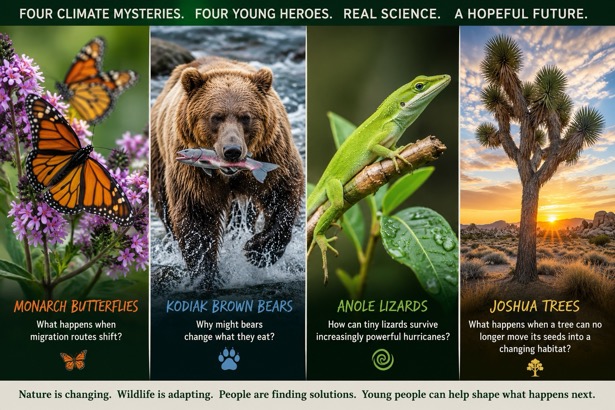
What happens when familiar migration routes shift?
Why might bears change what they eat?
How can tiny lizards survive increasingly powerful hurricanes?
And what happens when a tree can no longer move its seeds into a changing habitat?
These real-world mysteries allow me to explore not only the effects of climate change, but also adaptation, resilience, biodiversity, and successful conservation efforts.
How would you describe your climate fiction?
My stories are part climate fiction, part mystery, and part nature adventure.
Climate change is such an enormous subject that it can feel difficult—even overwhelming—for young readers. Instead of beginning with the enormity of the problem, I begin with something they can see and wonder about.
Why are there fewer butterflies this summer?
Why are bears changing their diets?
How could a tiny anole lizard survive a monster hurricane?
These questions turn climate science into mysteries young characters—and young readers—can investigate. Through adventure and discovery, the larger picture gradually emerges.
My goal is to help children understand the seriousness of climate change without overwhelming them with fear.
How do you write hopeful climate-action stories?
I focus on two things: solutions and young heroes.
My protagonists are curious, determined young people who ask questions, investigate mysteries, make mistakes, discover evidence, and ultimately find ways to help.
Just as importantly, I want young readers to imagine a future in which solutions are possible—communities restoring habitats, scientists and citizens working together, renewable energy becoming part of everyday life, and young people contributing ideas of their own.
Children hear plenty about what could go wrong with our planet. They also deserve stories that help them imagine what could go right.
Climate hope doesn’t mean pretending the problems aren’t serious. It means showing that knowledge, creativity, conservation, and collective action can make a difference.
Who Are These Climate Adventures For?
Teachers and homeschool educators: The stories can spark discussions about climate science, biodiversity, wildlife adaptation, conservation, resilience, and problem-solving—while giving students mysteries and adventures they actually want to read.
Librarians: In a Changing World offers adventure-driven environmental fiction for readers ages 10–14 who enjoy animals, mysteries, science, nature, and stories about young people making a difference.
Parents and grandparents: These climate adventures provide a hopeful way to introduce young readers to environmental challenges without overwhelming them with fear. They can also open conversations between generations about wildlife, nature, and our changing planet.
Environmental organizations and nature centers: Climate fiction can complement environmental education and youth outreach by turning real scientific research and conservation challenges into stories young people can connect with emotionally.
Young readers: Most of all, these are adventures—filled with hurricanes, bears, butterflies, lizards, mysteries, danger, discovery, and young people determined to find answers.
Teachers and librarians can also explore my Discussion Questions and educational resources for ways to extend the stories beyond the page.
Can climate mysteries inspire kids to become part of the solution?
I believe stories can plant that first seed.
Over twenty-five years as a published author, I’ve seen how deeply young readers can connect with fictional characters. When they care about what happens to a character, an animal, or a place, complicated environmental issues suddenly become personal.
Learning about climate science has changed me, too. The more I understand, the less helpless I feel. Instead of seeing only problems, I can see choices, possibilities, and solutions.
That is what I hope readers ages 10–14 take away from In a Changing World.
Nature is changing. Wildlife is adapting. People are finding solutions. And young people can help shape what happens next.
For teachers, librarians, families, and young readers, I hope these climate adventures offer something beyond information: curiosity, courage, and a reason to believe that a more hopeful future is still ours to create.
Discover In a Changing World
Four climate mysteries. Four young heroes. Real science. One hopeful message: nature can adapt—and so can we.
Written for readers ages 10–14, In a Changing World combines mystery, wildlife, science, adventure, and climate solutions to show young readers that the future isn’t something they simply inherit—they can help shape it.
Explore
In a Changing World
Teacher discussion and questions
Meet Claire Datnow
Cli-Fi With Hope, Teens & Tweens
Writers working in climate fiction and other genres that can weave in dark themes—such as romantic comedies, crime dramas, legal dramas, children's books, or science fiction—face the challenge of crafting compelling stories without sugarcoating the truth. It is not necessary to steer away from doom and gloom entirely. In eco fiction and climate narratives, for example, protagonists may be depicted as anxious about climate issues but also inspired to act. This balance allows the story to remain honest while motivating readers.
The Impact of Story Tone on Readers
Fiction that leans heavily into doom and gloom tends to elicit negative emotions from readers, such as anger, helplessness, shame, and sadness. These darker stories often leave readers feeling passive, uncertain about their ability to make a difference, and thinking, “I have no idea what I can do.” On the other hand, stories that focus on solutions are more likely to inspire action and engagement, helping readers feel empowered rather than overwhelmed.
Techniques to Empower and Inspire Young Readers
Writers can utilize a variety of techniques to inspire young people to feel empowered and motivated to act, even when addressing dark or challenging themes.
Humor
Incorporating humor into troubling situations can lighten the mood and make stories more engaging. For example, Carl Hiaasen uses humor in difficult circumstances in his novel “Chomp”: “The first rule of hurricane coverage is that every broadcast must begin with palm trees bending in the wind.” Another comedic moment from the same book is when Mickey Cray has been unemployed ever since a dead iguana fell from a palm tree and struck him on the head.
Similarly, “Fried Green Tomatoes” by Fannie Flag offers humorous moments centered around quirky characters and unexpected situations. A memorable example is Idgie putting poker chips into the church collection basket just to get a laugh, as well as the characters’ lighthearted reactions to serious events.
“One Small Hop” by Madelyn Rosenburg blends humor with story twists, while Tony Hawks’s “Round Ireland with A Fridge” includes the witty line: “It is surely a brave man who goes ahead and checks into an establishment where the first question is 'Where's your fridge?'” Wren James’s “The Loneliest Girl in the Universe” provides another humorous observation: “Things on Earth I want to experience most: Quicksand – how often do you usually get stuck in this stuff? A few times a month? It seems to happen all the time in films!”
Setting

A vivid setting, whether local or global, can draw readers deeply into the character’s world. For example, in Claire Datnow’s “The Gray Whale’s Lament,” the setting is described as follows: “The town of Nahoon, on Chichagof Island, 30 miles from Juneau, Alaska: It is late spring on Chichagof Island, and the air and water are warming. The bears have woken from their long sleep. All eyes are on the horizon for the ocean’s grateful giants, the gray whales.” Such descriptions immerse readers in the environment and heighten their engagement with the narrative.
Empathy
Empathy plays a crucial role in connecting readers to the characters and their experiences. In “The Gray Whale’s Lament,” as highlighted by marine biologist Dr. Margaret Amsler, three diverse teens from around the world share not only an uncommon Dr. Doolittle-like connection with wild animals but were also trapped in devastating wildfires. The heroes in these vignettes include a Sumatran orangutan, an Australian black-footed wallaby, a broad-winged hawk, and a peregrine falcon. This focus on empathy encourages readers to identify with the characters and feel invested in their journeys.
Joy
Introducing joyful moments, even amidst dire situations, can uplift both the protagonist and the reader. For instance, in “Red Flag Warning: An Eco Adventure,” the first book in a climate fiction trilogy, a reviewer observed that the author explores pressing environmental issues but does not leave out moments of joy and delight. These positive moments provide hope and balance within the narrative.
Positive Protagonists
Dr. Ayana Elizabeth Johnson, in “What If We Get It Right: Visions of Climate Futures,” offers a framework for weaving joy into narratives using the overlapping circles of a Venn Diagram:
· What are your characters good at or what special gifts do they have?
· What work needs to be done?
· What brings your characters joy?
By focusing on these aspects, writers can create protagonists who are not only believable but also inspiring.
Special Gifts
In “The Gray Whale’s Lament,” three teenagers use their unique gift—the ability to communicate with animals—to help save them. In turn, these animals save the teens from certain death during a race to outrun roaring flames. Aisyah, a compassionate free spirit from Sumatra, bonds with Pongo, an endangered orangutan. Kirri, a competitive marathon runner from Australia, bonds with Rocky, an endangered Rock wallaby. Hector, a headstrong and gifted falconer from California, bonds with Swain, a magnificent Swainson’s hawk. After recovering from burns, the teens embrace a new challenge: caring for animals injured in the fires, combining their talents with what brings them joy.
Conclusion
Although dark themes are present, these techniques can lift the mood of stories and inspire hope, demonstrating to readers—especially young ones—that positive action is possible.
Honest Book Reviews
Tips on How to Get and to Give Honest Book Reviews.
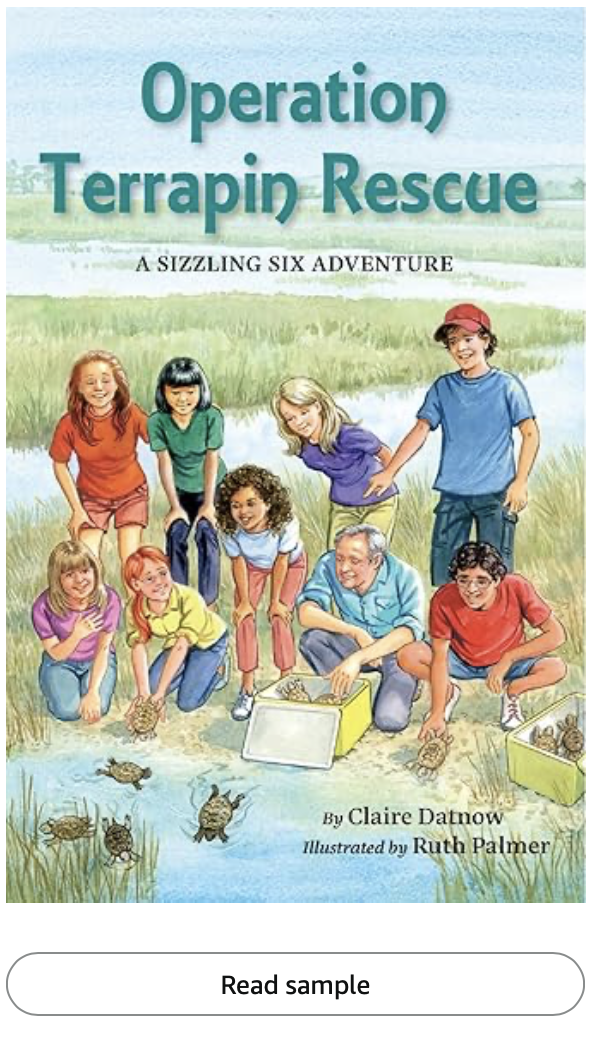
How to add a review on Amazon.
* Go to the title of the book, underneath the book cover you will see the Read Sample, which allows you to preview the first few pages of the book you are interested in.
* When the selected page opens, click on the star rating underneath the title and author on the page, then click on ‘See all customer reviews’
* The page will scroll down to the customer reviews, and you can click on ‘Add a Customer Review’ at the left side underneath the star ratings. Here you can add your own star rating, your review and title
How to review a book on Goodreads:
- To add a review, search for the book in the toolbar at the top of the page.
- Select the book and add the star rating under the book image on the left-hand side. Then click on ‘Write a review’. A new page will open, allowing you to add the book to your personal shelf’ or to tag the book for your own collections.
- You can add your review in the main text box, add the dates you read the book and any private notes you want to include for yourself.
- How to review a book on Barnes and Noble:
- Search for your book in the search bar at the top of the Barnes and Noble page.
- Select your book and then select ‘Write a review’ under the title and author of the book.
- A new window will then appear, where you will have the option to add a rating, title, your review text, photos, whether you would recommend the book to a friend and your details.
- If you review my books thank you so much and a huge thank you for spreading the word!
- Let me know if you would be interested in having me review your work.